Window & glazing glossary
Quotes and brochures are full of technical shorthand. This glossary defines the terms you are most likely to meet, in plain English, so you can compare specifications properly and ask the right questions.
Glass and sealed units
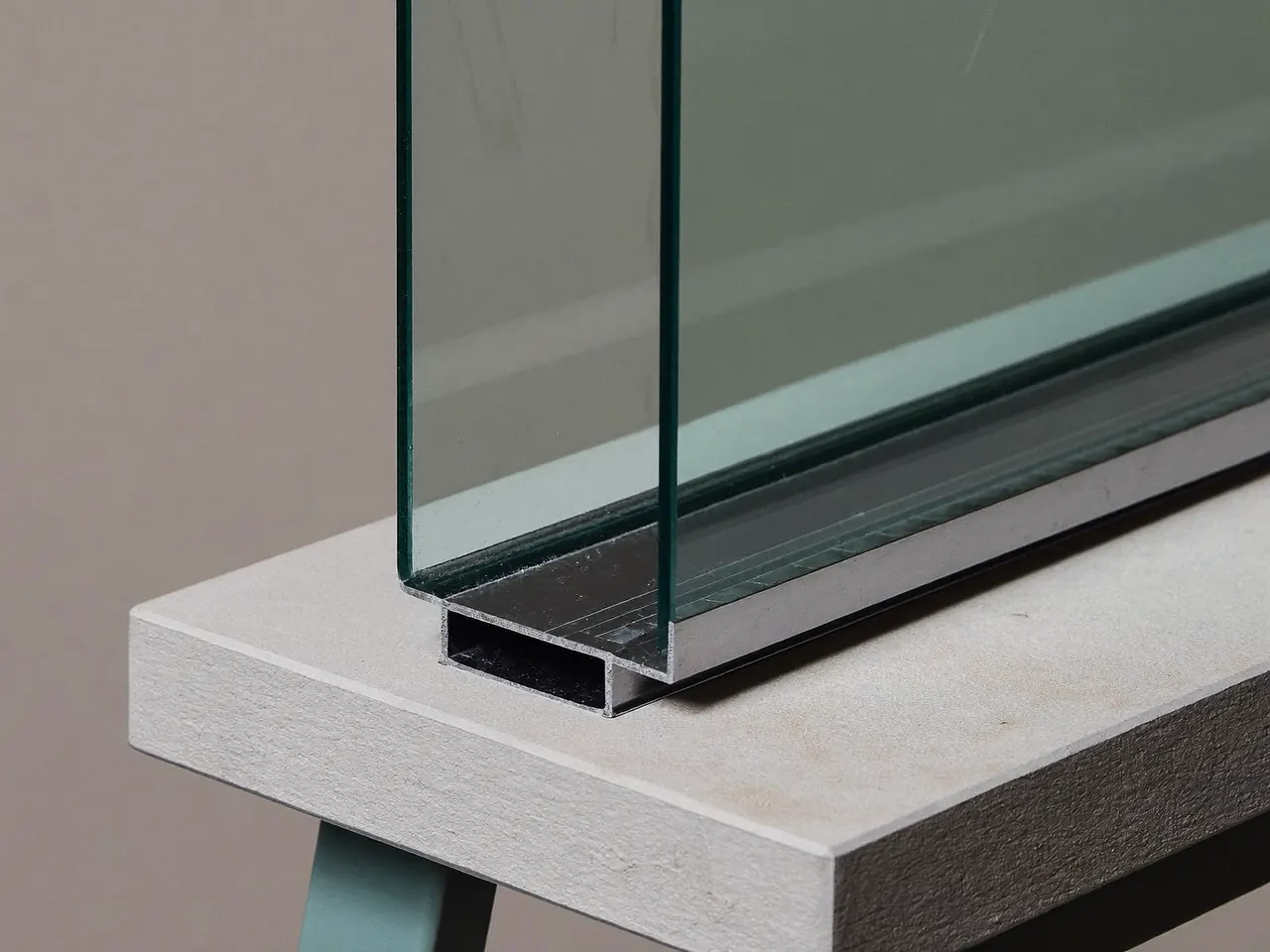
Sealed unit (IGU). The factory-made glass assembly — two or more panes bonded around a spacer with the gap sealed. This is what “double glazing” physically refers to.
Argon. An inert gas used to fill the cavity between panes. It conducts heat less readily than air, improving insulation at very little extra cost.
Low-E coating. A microscopically thin, virtually invisible metallic layer on the glass that reflects heat back into the room while still letting light through.
Spacer bar. The frame around the edge of the cavity that holds the panes apart. A “warm-edge” spacer made of composite rather than aluminium reduces heat loss and condensation at the glass edge.
Laminated glass. Two sheets bonded with a tough interlayer that holds together if broken — used for security and safety. Toughened glass is heat-treated to be stronger and to crumble safely, required in doors and low-level windows.
Performance ratings
U-value. How much heat passes through the whole window. Lower is better; modern energy-efficient units sit well below older glazing.
Window Energy Rating (WER). A banded label from A++ downwards summarising overall efficiency, similar to appliance ratings.
G-value / solar gain. How much of the sun’s heat the glass lets through — useful to balance warmth against overheating on south-facing rooms.
Seeing these terms in a quote?
Compare free, no-obligation quotes from vetted local installers and ask them to explain the spec in plain terms.
Find my installers →Frames and window styles
Casement. A window hinged at the side or top that opens outward — the most common UK style. For a fuller look at the different opening configurations and locking hardware, this guide to casement window types and hardware is worth a read.
Sash. A window with panels that slide vertically (or occasionally horizontally), traditional on period homes.
Tilt-and-turn. A window that both tilts inward at the top for ventilation and swings fully open for cleaning and escape.
Mullion and transom. The vertical (mullion) and horizontal (transom) bars that divide a window into separate lights.
Cill (sill). The bottom ledge of the window frame that throws rainwater clear of the wall below.
Trickle vent. A small controllable slot in the frame that provides background ventilation, now required on many replacement windows.
Beading. The strip that holds the glass in the frame; internal beading is more secure as it cannot be removed from outside.
Hardware and security
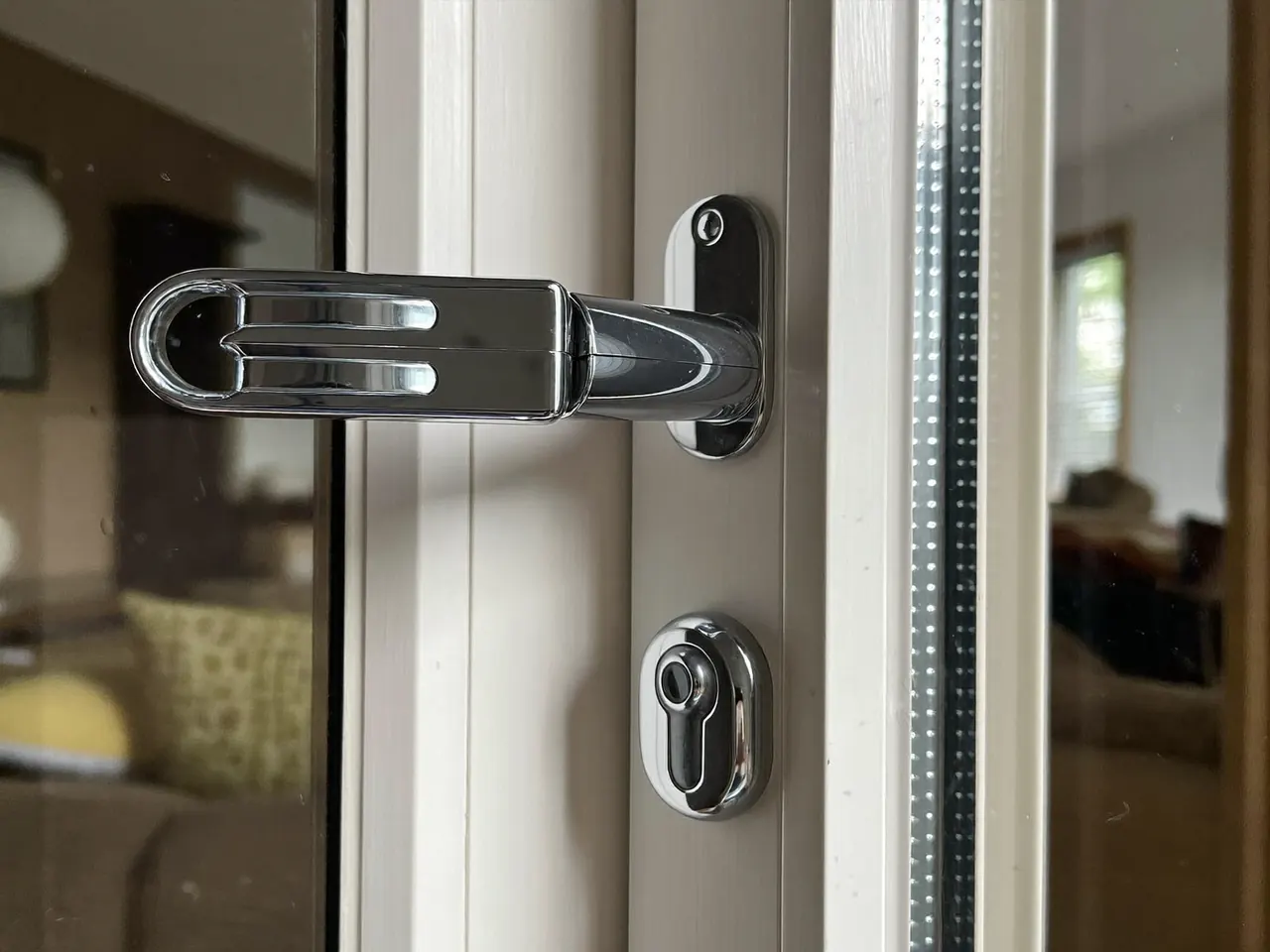
Multipoint locking. A locking system that engages at several points around the frame when you turn the handle, far more secure than a single latch.
Espagnolette. The internal rod-and-cam mechanism that drives multipoint locks.
PAS 24. A security performance standard windows and doors can be tested against; it underpins schemes such as Secured by Design.
Ready to compare specifications?
Get free quotes from vetted local installers and use this glossary to compare them line by line.
Find my installers →