Double glazing FAQs
Short, straight answers to the questions UK homeowners search for most. For the detail behind each one, follow the links through to our full guides — and when you’re ready, compare free quotes from vetted local installers.
How long does double glazing last?
Good-quality double glazing typically lasts around 20 years or more. The frames often outlast the sealed glass units, which can start to fail sooner if the edge seal breaks down — usually showing as misting between the panes. A reputable installer and a solid guarantee both help protect the lifespan. See our guarantees guide for what cover to look for.
How much does double glazing cost?
It depends on the number and size of windows, the frame material and style, the glass specification and how complex the installation is. Because these vary so much from home to home, the only accurate figure comes from a quote based on a home survey. We recommend comparing two or three like-for-like quotes rather than relying on a headline price — our buying guide explains what moves the number.
Why do my windows get condensation?
Condensation on the inside of the glass is usually a sign of humidity in the room rather than a fault, and improves with ventilation. Condensation on the outside pane on cold mornings is actually a sign the glass is insulating well. Misting trapped between the two panes, however, means the sealed unit has failed and needs replacing.
What is a U-value?
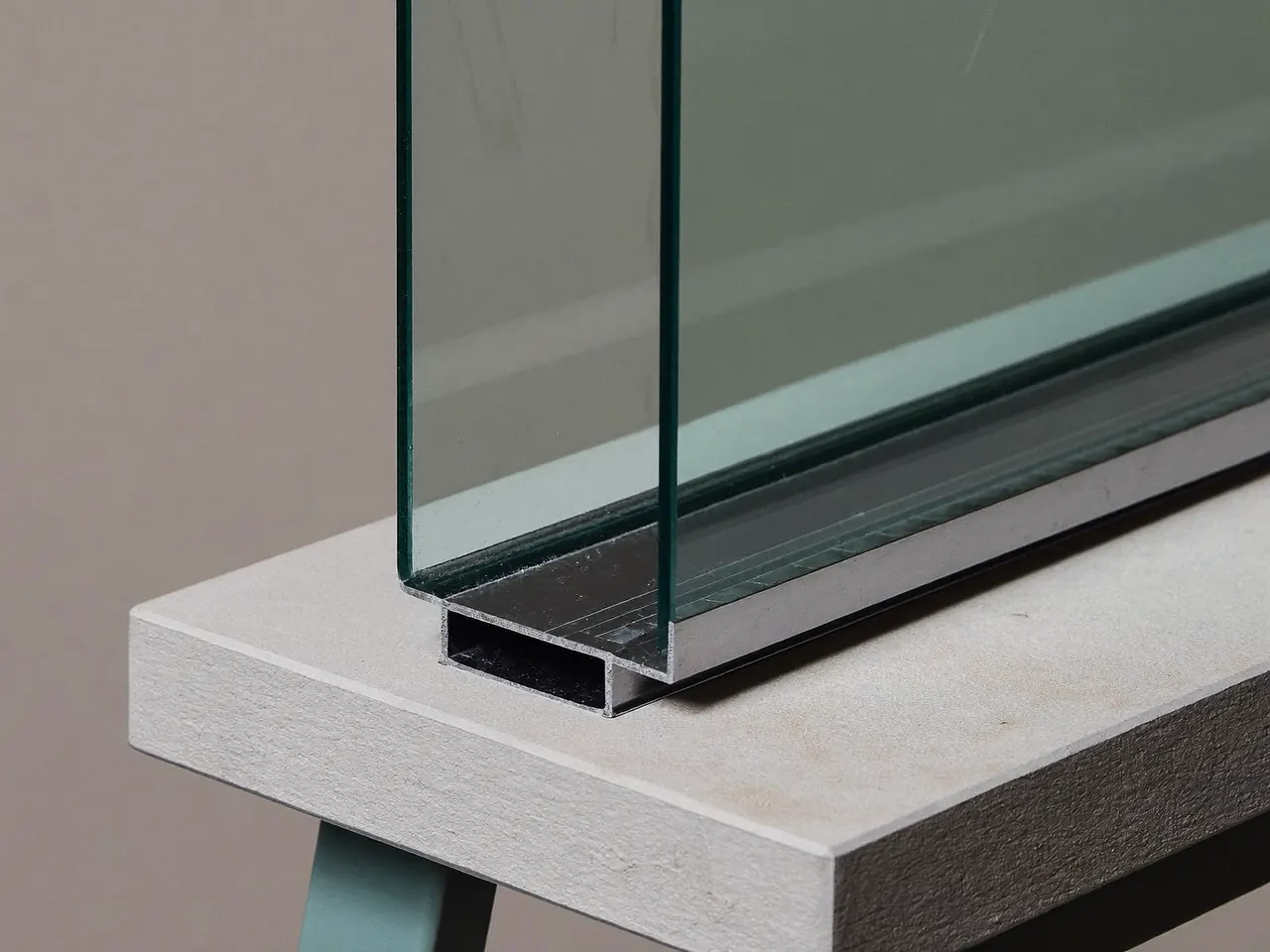
A U-value measures how much heat passes through the window: the lower the number, the better the insulation. Modern energy-efficient double glazing uses low-emissivity coatings, argon gas and warm-edge spacer bars to keep the U-value down. Windows also carry an energy rating band, similar to household appliances. The glazing glossary defines all of these.
Do I need planning permission for new windows?
Most like-for-like window replacements are permitted development and do not need planning permission. Exceptions apply in conservation areas, on listed buildings and where you change the appearance significantly. Building regulations still apply, which registered installers self-certify through schemes such as FENSA or CERTASS. See our planning guide for the detail.
How many quotes should I get?
Two or three quotes is a sensible number. It gives you a genuine sense of the fair price for your specification without dragging out the process. Make sure each installer is quoting for the same frames, glass and hardware so you are comparing like for like, and check their accreditations and guarantees before deciding.
Still have questions? Ask a local installer
Compare free, no-obligation quotes from vetted local installers who can answer questions specific to your home.
Find my installers →Where to go next
These FAQs are a starting point. If a particular answer raised more questions, our full guides go into far more depth — from choosing frames and glass in the window buying guide to what happens on fitting day in the installation process guide. When you are comfortable with the basics, the practical next step is to gather a few quotes and compare them properly, which our quotes guide walks through.
Ready to compare quotes?
Tell us your postcode and we’ll match you with vetted local fitters — free, with no obligation.
Find my installers →