Window buying guide
New windows should last twenty years or more, so it pays to understand what you are actually buying. This guide breaks down frame materials, window styles, glass options and the things that genuinely move the price — so you can weigh up quotes with confidence rather than guesswork.
Frame materials: the big three
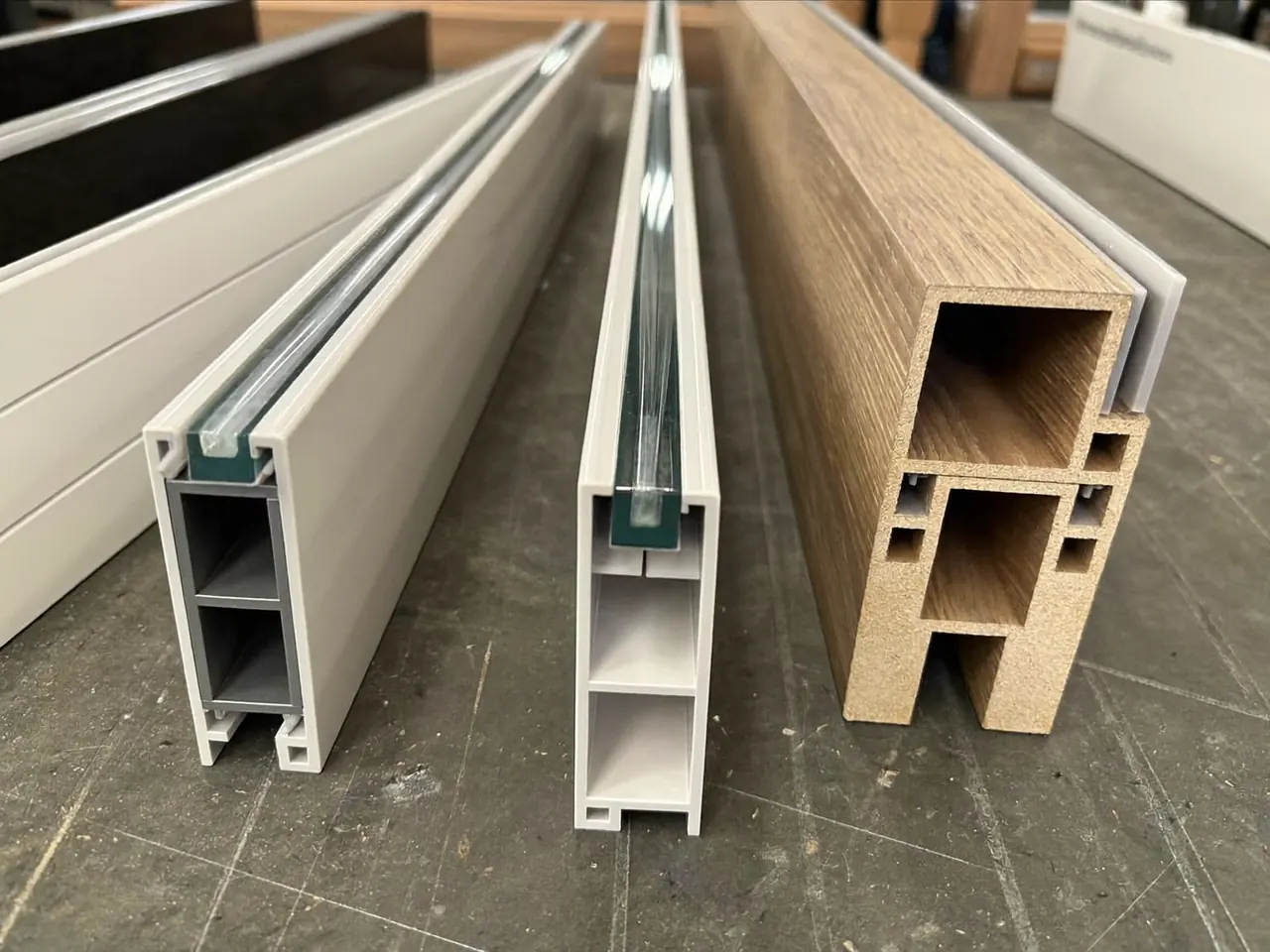
uPVC is by far the most common choice in UK homes, and for good reason. It is affordable, low-maintenance, thermally efficient and available in a wide range of colours and woodgrain finishes. Modern uPVC frames are multi-chambered, which improves insulation and rigidity. For most semis, terraces and new builds it hits the sweet spot between cost and performance.
Aluminium costs more but offers slim sightlines and real strength, so it suits large panes, contemporary extensions and anywhere you want maximum glass and minimum frame. Powder-coated finishes are durable and come in almost any RAL colour. Thermally broken aluminium closes much of the old efficiency gap with uPVC, though it typically remains a step behind on U-values at the same price point.
Timber is the traditional option and often the only material permitted in conservation areas or on period properties. It looks superb and can be repaired rather than replaced, but it demands regular painting and care. Engineered timber and factory-applied coatings have reduced the upkeep considerably compared with older softwood frames.
Window styles
The style you choose affects both looks and function. Casement windows hinge at the side or top and are the UK default — simple, well-sealed and cost-effective. Sash windows slide vertically and are the classic Victorian and Georgian look, now available in draught-proofed uPVC and timber versions. Tilt-and-turn windows open two ways for easy cleaning and ventilation, popular in flats and modern homes. Bay and bow windows project outward to add light and a sense of space, while flush casements sit neatly within the frame for a crisp, traditional finish.
Know your style? Get local prices
Share your postcode and we’ll match you with vetted local installers for free, no-obligation quotes on the windows you want.
Find my installers →Glass and energy efficiency
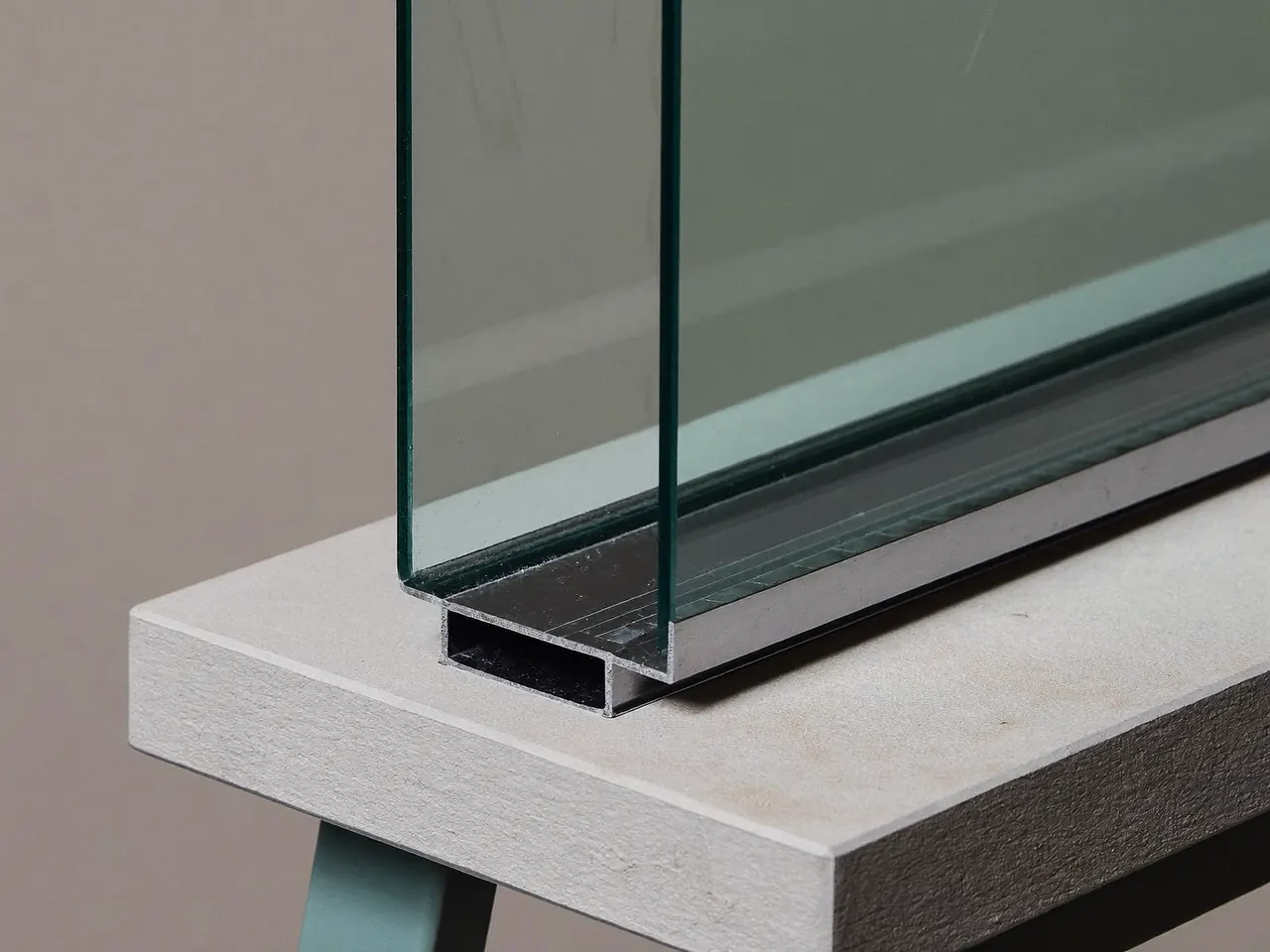
Standard double glazing seals two panes with an insulating gap, usually filled with argon gas and separated by a warm-edge spacer bar. A low-emissivity (low-E) coating reflects heat back into the room. Together these push down the window’s U-value — the lower the number, the better the insulation. Windows also carry an energy rating band from A++ down, similar to appliances. If noise or security is a priority, ask about laminated or acoustic glass. For a deeper look at glass specifications, spacer bars and how sealed units are built, this companion resource on the technical side of glazing units and glass is a useful next read, and our own glazing glossary defines every term you will meet in a quote.
What really drives the price
Quotes vary for understandable reasons. The main factors are the number and size of windows, the frame material and style, the glass specification, the colour or finish, and the complexity of the installation — upper floors, awkward access and structural bays all add labour. Hardware quality, the fitting firm’s accreditations and the guarantee on offer also affect the figure. Because of all this, a headline “price per window” is rarely meaningful; a proper quote based on a home survey is the only way to compare accurately. Rather than promise a number, our advice is to specify exactly what you want, then ask two or three installers to quote for the same thing.
Compare like-for-like quotes
Free, no-obligation quotes from vetted local installers — the easiest way to see what your windows should cost.
Find my installers →