Planning permission for windows
Most people replacing their windows will never need planning permission — but there are important exceptions, and building regulations apply either way. This guide explains when you can go ahead freely and when you should check with your local authority first.
The general rule: permitted development
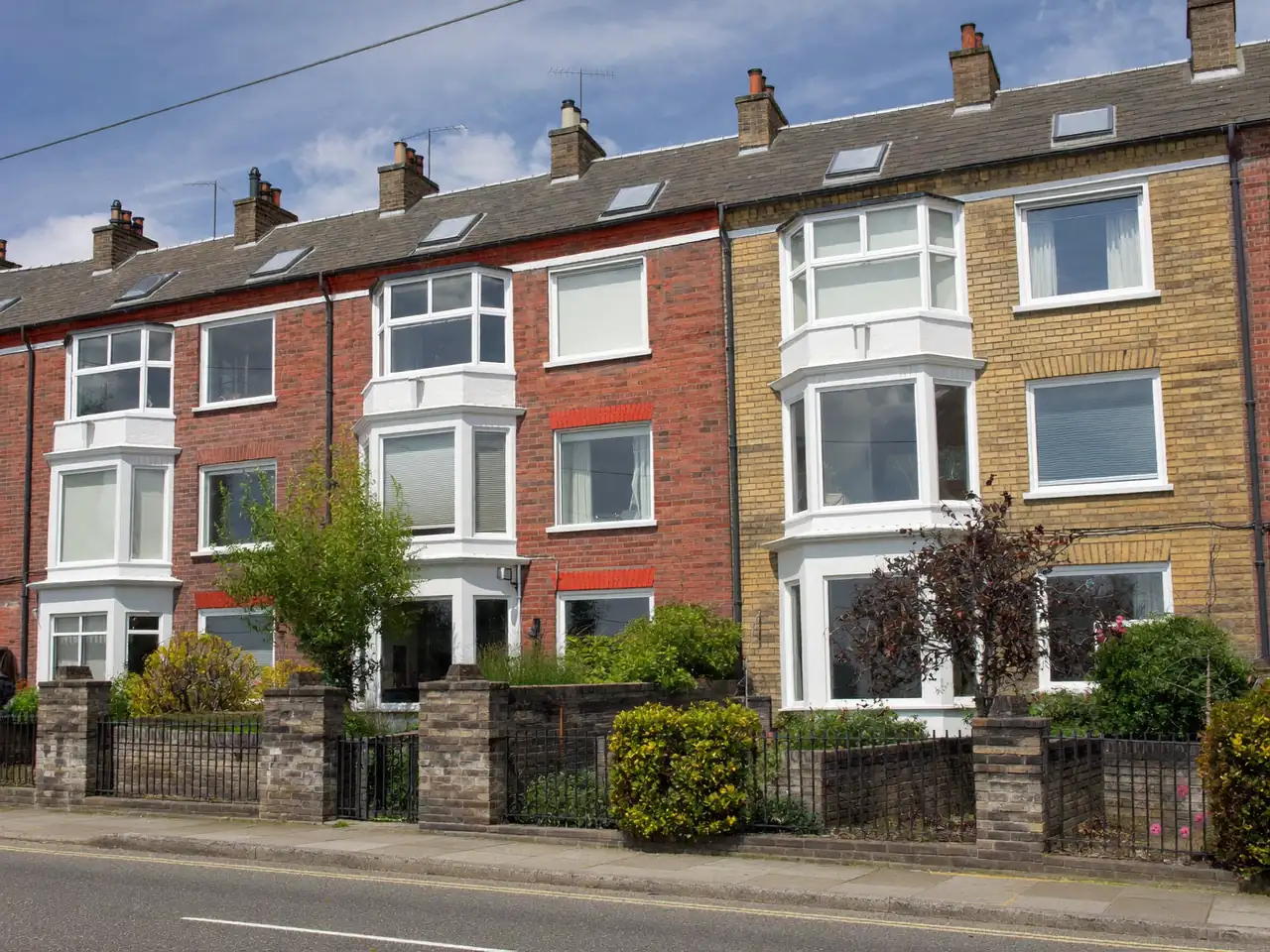
For most houses, replacing windows on a like-for-like basis falls under “permitted development” and does not require planning permission. That covers swapping tired frames for new double glazing in broadly the same style and openings. The freedom exists because you are maintaining, not materially altering, the appearance of the property. Flats and maisonettes are treated differently and often do not enjoy the same permitted-development rights, so owners of those should check before ordering.
When you do need permission
Permission or consent is more likely to be needed if you are in a conservation area, own a listed building, live somewhere covered by an Article 4 direction that removes permitted-development rights, or you plan to significantly change a window — for example inserting a new opening, adding a bay where there was none, or changing the material and style so the look alters noticeably. Upper-floor side windows may also need obscured glazing for privacy. When in doubt, a quick call to your council’s planning department saves a great deal of trouble.
Checked your rules? Get quotes
Compare free, no-obligation quotes from vetted local installers who understand local requirements.
Find my installers →Conservation areas and listed buildings
These carry the tightest controls. In a conservation area the council can restrict changes to windows visible from the street, and timber or specific styles may be required rather than standard uPVC. Listed buildings need listed building consent for alterations, including windows, and carrying out work without it is a criminal offence. It sounds daunting, but experienced local installers deal with these situations regularly and can advise on compliant options — another reason to choose your firm carefully, as our installer guide explains.
Building regulations always apply
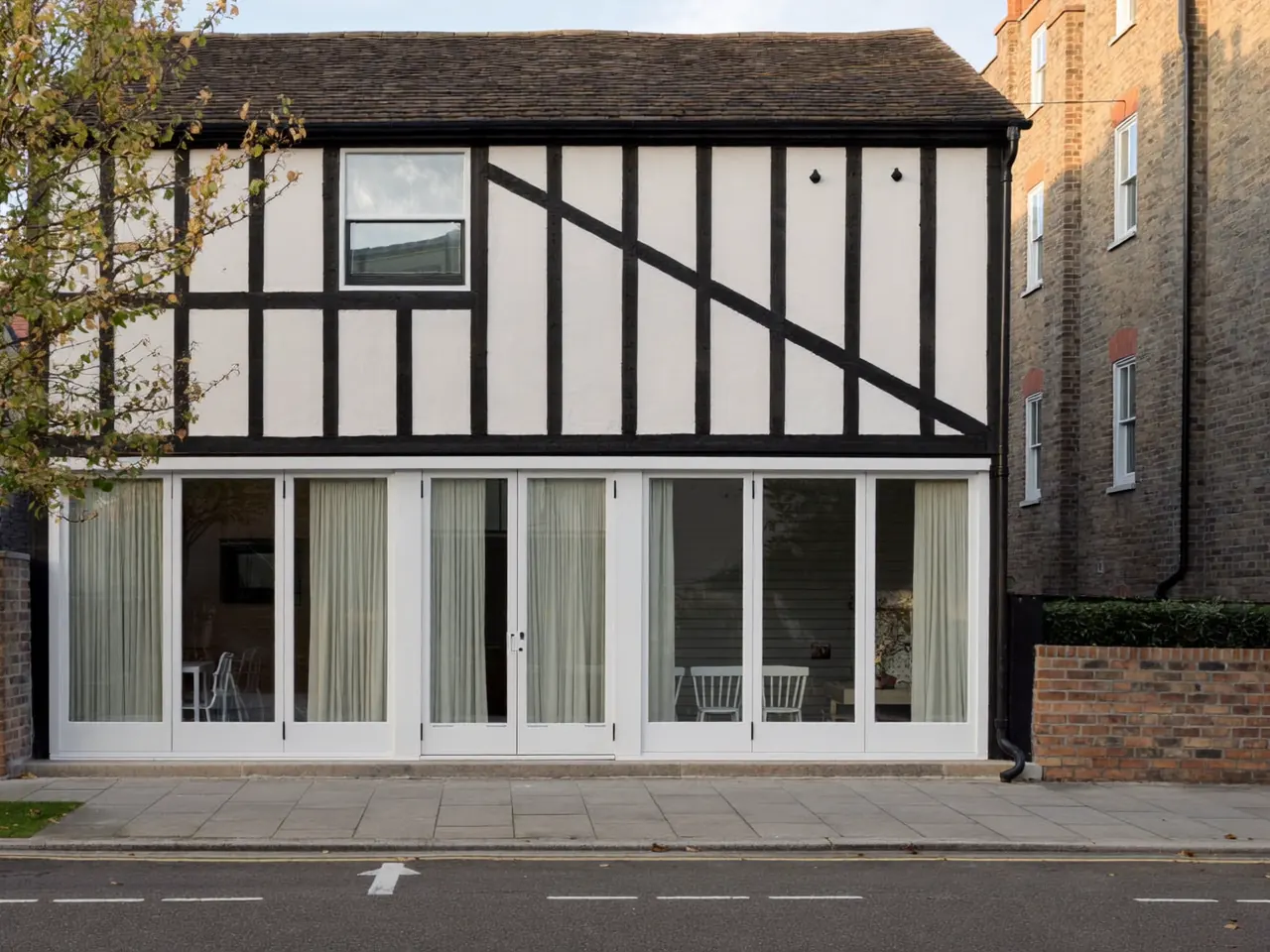
Separate from planning, replacement windows must meet building regulations covering thermal performance, safety glazing, ventilation and means of escape. You do not usually apply for this yourself: a FENSA or CERTASS registered installer self-certifies the work and issues a certificate, which you will need when you sell. If you use a non-registered fitter, you must arrange building-control approval independently — a strong reason to choose a registered firm. See our installation process guide for where certification fits in.

Ready to move forward?
Tell us your postcode and we’ll match you with vetted local installers for free quotes — no obligation.
Find my installers →